FanePath AI Decodes ChatGPT Usage: Key Research Insights Brands Can't Ignore

"For the first time, we have a large-scale, data-driven view of how people use ChatGPT, far beyond anecdotes or small surveys."
This month (15 September 2025), a large-scale study provides a robust look at ChatGPT adoption. Analysing 1.5 million conversations, it reveals real patterns and actionable insights. OpenAI highlighted the study on their blog, summarising high-level trends for a broad audience. What's particularly compelling is diving into the original 70-page NBER research paper, which rigorously analyses anonymised conversations. Methodologically robust and transparent, it's packed with insights, and we've decoded it for you!
Key General Insights
The NBER paper highlights global patterns in ChatGPT usage:
Shrinking Demographic Gaps
The gender gap among users is narrowing. By mid-2025, 52% of users had names typically classified as feminine, and adoption is growing fastest in lower- and middle-income countries.
Mix of Personal vs. Work Usage
Non-work-related tasks now make up over 70% of interactions (up from ~53%), covering everyday personal activities. Work-related usage remains significant, especially among educated professionals.
Dominant Conversation Topics
Around 80% of conversations are focused on Practical Guidance, Seeking Information, or Writing. Writing dominates work interactions — composing, editing, drafting documents — and exceeds coding or other professional uses.
Economic & Decision-Support Value
ChatGPT is a strong decision-support tool, helping users make choices and solve problems. Its writing capabilities go beyond traditional search, allowing users to generate content rather than just retrieve it.
What It Means for Brands
"Customers increasingly ask AI assistants for guidance, recommendations, and summaries — not just search engines."
1. From Search to AI as an Information Gateway
About 80% of ChatGPT conversations involve seeking information. Brands can remain visible by providing clear, structured, AI-readable content.
2. Decision-Support in Professional Contexts
Users rely on ChatGPT for problem-solving and decisions. Brands mentioned in authoritative publications or structured data sources are more likely to surface. Integrating with AI platforms amplifies brand presence.
3. Global Reach & Demographics
Rapid adoption in low- and middle-income countries exposes brands to new global audiences. Ensuring content is accessible, multilingual, and up-to-date increases reach.
4. Practical vs. Casual Use
Most AI queries are practical rather than expressive. Brands should prioritise useful content (product comparisons, FAQs, customer service guidance) over quirky marketing gimmicks.
"Structured, authoritative, and AI-friendly content will define the most visible and influential brands in an AI-mediated world."
Secure Your Brand's Place in the AI-Powered Future
ChatGPT and AI peers are the new front door to the internet. Brands not appearing in AI-generated responses risk invisibility. FanePath AI helps brands navigate this shift. Companies that act early will stay relevant and trusted. Take the first step towards AI-ready visibility: Request a FanePath AI audit to see exactly how your brand appears in the systems shaping tomorrow's decisions.
Resources
- OpenAI. How People Are Using ChatGPT
- NBER Working Paper: How People Use ChatGPT

You Can Rank #1 and Still Be Invisible: How the World of SEO Is Changing
When an AI Overview appears, clicks to the top organic result drop by up to 58%. We break down the data, the query migration from search to AI, and what it means for your AI visibility budget.
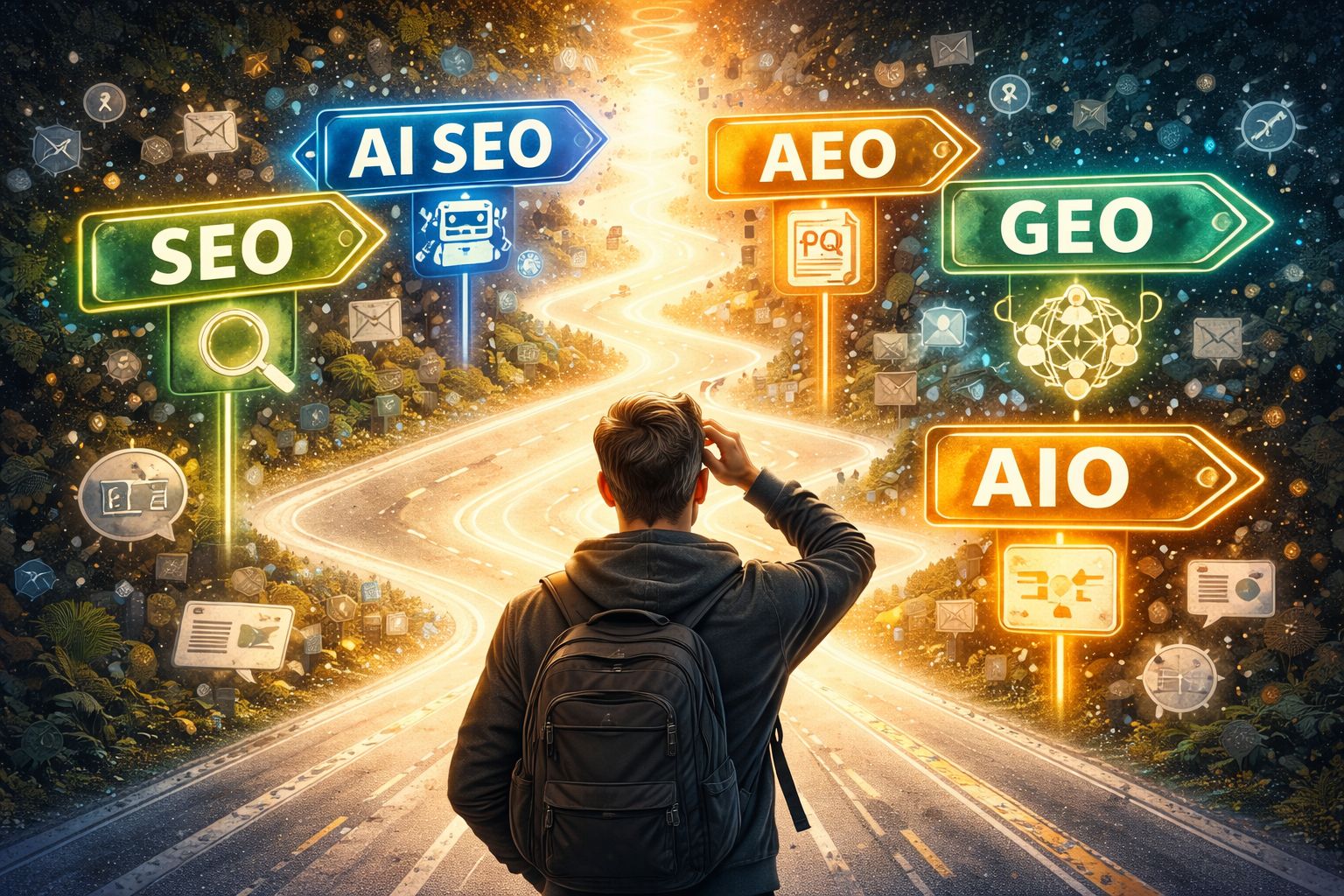
Lost in AI SEO, AEO, GEO, AIO? Here's What Actually Matters for AI Visibility for Brands
The AI optimisation landscape is crowded with acronyms. We break down AI SEO, AEO, GEO and AIO to help you understand what actually matters for your brand's AI Visibility.
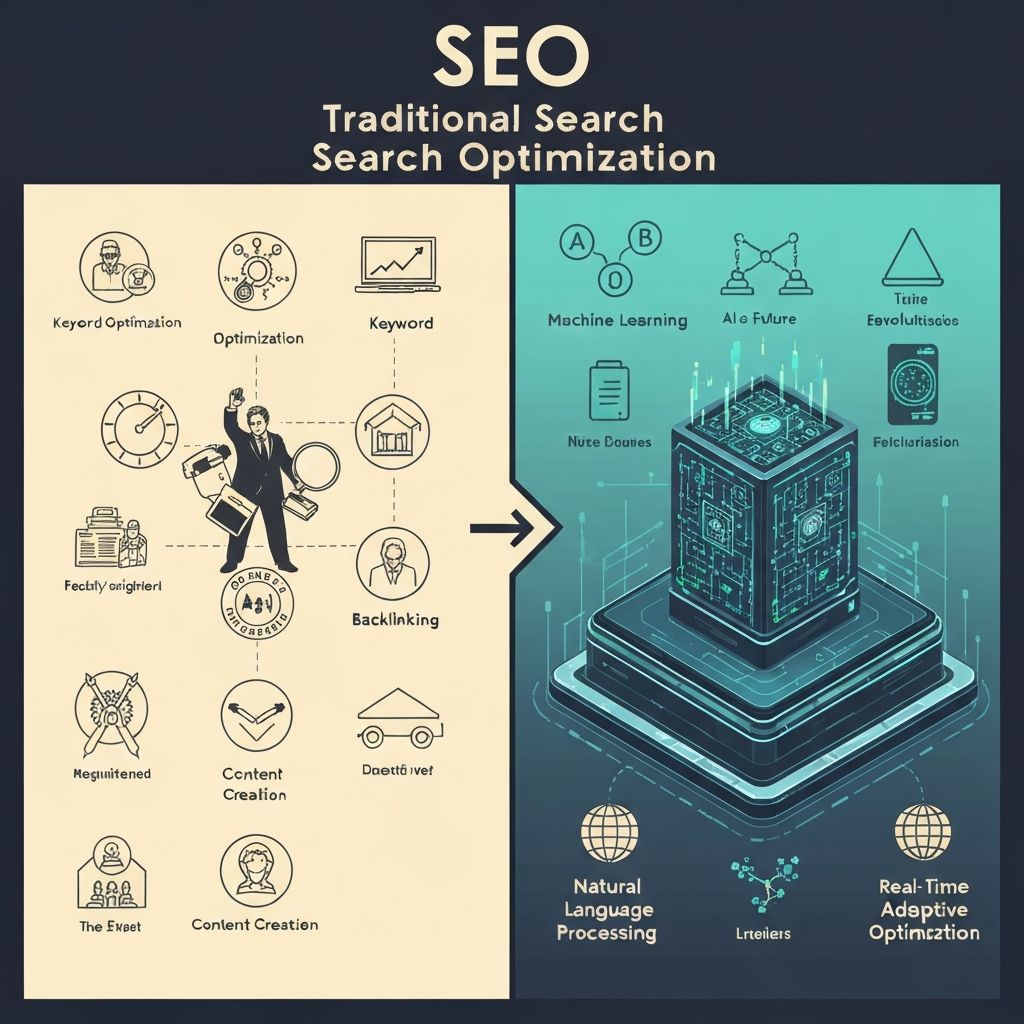
Is Traditional SEO Dead?
As consumer behaviour evolves and AI changes how people discover brands, is traditional SEO still enough? We explore the AI Visibility gap and what needs to change.
See what AI is saying
about your brand today.
Get in touch and we will show you your AI narrative, your score, and where to focus first.
Contact UsShaping the AI era, one brand narrative at a time.